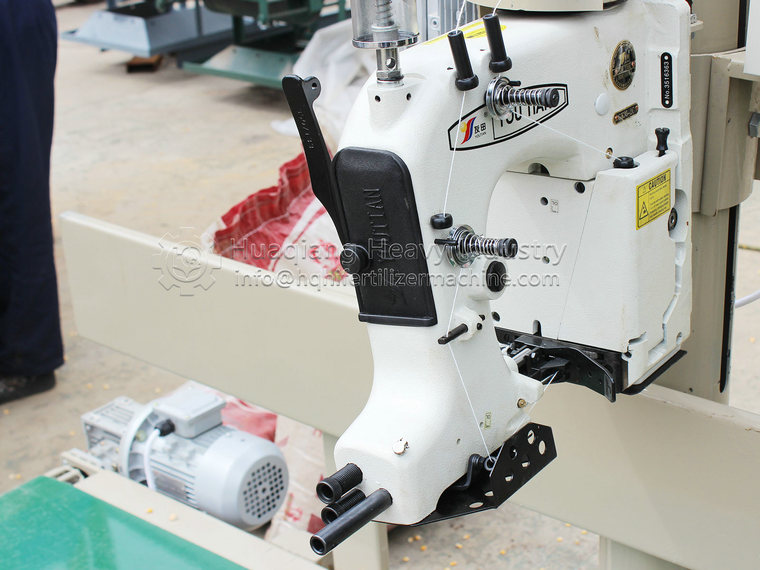
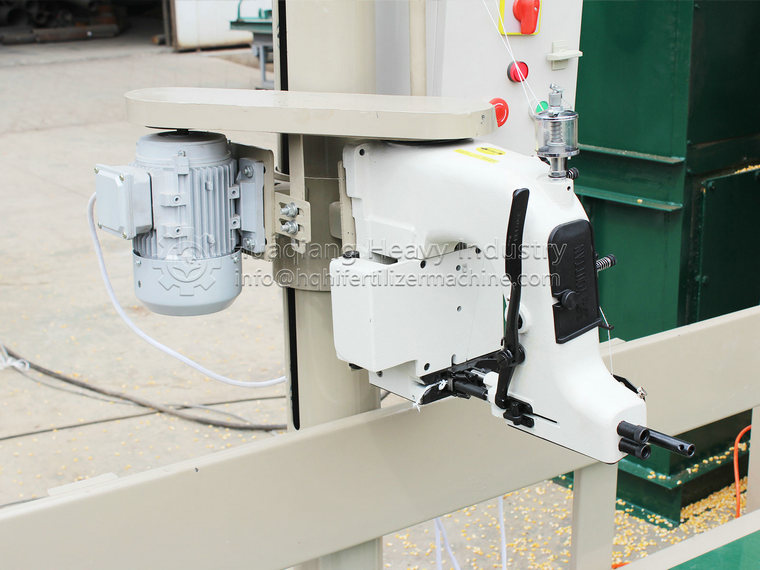
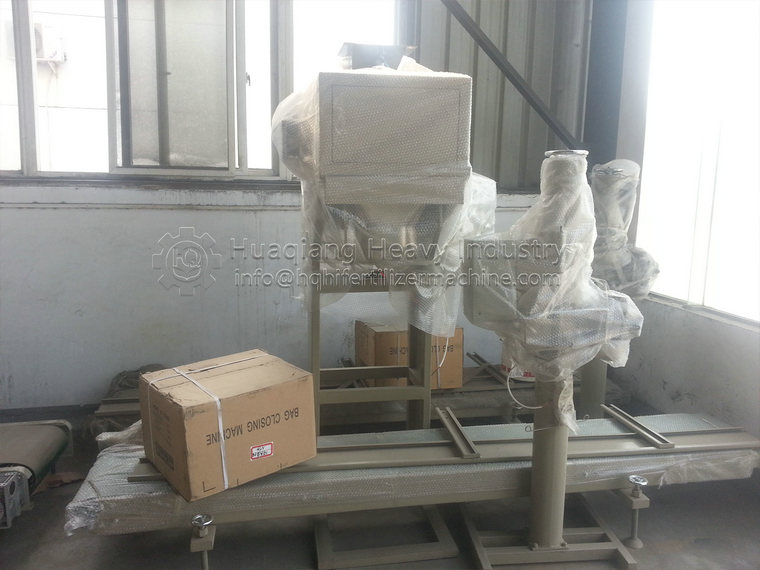
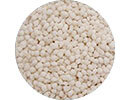
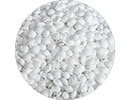
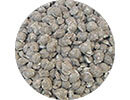
The granular fertilizer packaging machine is specialized equipment designed for the automatic quantitative weighing, bagging, and sealing of granular fertilizers. It is suitable for packaging a wide range of granular fertilizers—such as compound fertilizers, organic fertilizers, urea, diammonium phosphate, slow-release fertilizers, and microbial fertilizers—with common packaging specifications ranging from 5 kg to 50 kg.
Understanding the working principle of a piece of equipment gives you confidence when selecting the right model. The operational process of a granular fertilizer packaging machine is generally as follows:
Step 1: Bag Feeding. Fully automatic models use vacuum suction cups to pick up and open the bags; a mechanical positioning device then places the bag onto the discharge spout. Once photoelectric sensors confirm the bag is correctly positioned, the process moves to the next stage.
Step 2: Weighing. This is the core stage of the entire packaging process. Material enters a high-precision metering unit via a conveyor system. Sensors convert the material's weight into electrical signals sent to the dosing controller. Quantitative filling is achieved using a dual-speed feeding method: rapid feeding until the weight approaches the target value, followed by slow, precise topping-up to reach the exact set weight. Some high-end models also feature PID dynamic compensation algorithms to automatically correct errors caused by material “in-flight” (the material falling after the feed stops).
Step 3: Filling and Sealing. Once weighing is complete, the system opens the discharge gate to let the material enter the bag, followed by automatic bag-top folding and stitching or heat sealing.
Step 4: Conveying and Dust Removal. Finished bags are transported out via a conveyor belt, while a fully enclosed design and negative-pressure dust removal system effectively control dust emissions.
The entire process is seamlessly integrated and requires no manual intervention.
Automated operations replace manual tasks such as weighing, bagging, and sealing. With the introduction of fully automated packaging equipment, the daily production capacity of a single line can increase several-fold compared to traditional manual packaging.
Manual weighing is susceptible to factors like operator proficiency and fatigue, making it difficult to consistently control margins of error. In contrast, granular fertilizer packaging machines utilize high-precision sensors and intelligent control systems to ensure that the weight of every bag falls within the standard range. For fertilizer companies, the accuracy of nutrient ratios and precise bag weights are directly linked to farmer trust and brand reputation.
Although equipment procurement requires an initial investment, automated packaging significantly cuts labor costs and reduces raw material waste in the long run.
High dust levels during the fertilizer packaging process are a widely recognized industry pain point. Modern granular fertilizer packaging machines typically feature fully enclosed designs and negative-pressure dust removal systems, effectively controlling dust emissions. This not only improves the working environment for employees but also helps companies better meet environmental compliance requirements.
Granular fertilizer packaging machines have a wide range of applications, covering virtually all granular fertilizer products in the agricultural supplies industry:
Compound fertilizer production lines: Enabling precise proportioning and quantitative packaging of raw materials such as nitrogen, phosphorus, and potassium.
Organic fertilizer production: Suitable for automated packaging operations for organic granular fertilizers.
Bulk-blended (BB) fertilizers: Utilizing specialized anti-segregation filling mechanisms to address the common issue of stratification and separation among granules with varying densities.
Straight fertilizers: Standardized packaging for urea, potash, phosphate, and nitrogen fertilizers.
Specialty fertilizers: Slow-release fertilizers, microbial fertilizers, water-soluble fertilizers, etc.
In terms of packaging formats, these machines are compatible with various bag types—such as woven bags, moisture-proof laminated bags, and kraft paper bags—meeting the requirements for long-term storage and inter-regional logistics of agricultural products.
| Material |
Granule |
| Weighing Range(kg) |
20-50kg |
| Weighing Speed(bag/h) |
≥500 |
| Dividing value(g) |
20 |
| Level of accuracy |
0.2 |
| Power Supply |
Three-phase four-wire: AC 380V 220V 50Hz (User self-sufficiency) 50Hz (User self-sufficiency) |
| Power Consumption |
0.4~0.6Mpa 1m3/h |
| Gas Source |
It is recommended to select an air compressor with a displacement of 0.25 m3/minor more. |
| Gas Consumption |
0.4~0.6Mpa 1m3/h |
| Working Environment |
-20℃~+40℃ |
| Sensor |
ILGC-200KG-BA (KeLi Electric) |
| Computer Control Instrument |
Intelligent computer controller YH-3D YH-D8 |
| Pneumatic Components |
Yadeke, Taiwan |
| Dust Removal |
Reserve dust outlet |
| Manufacturing Materials |
Contact with the material is made of carbon steel, good fluidity, wear resistance, corrosion resistance, easy to clean. |
| Feeding Method |
Arc valve 3 feed feed |
| Installation size(mm) |
3120*1580*1350 |
| Installation Method |
The scale body is directly docked to the storage bin and does not need to be added as an auxiliary steel frame. Occupied floor space is small and easy to install. |
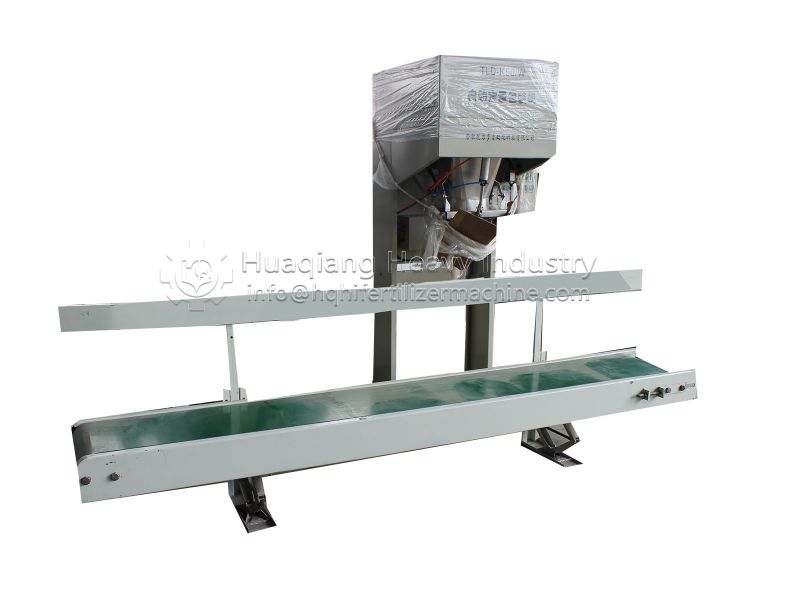
The powdered fertilizer packaging machine is suitable for the automatic packaging of various types of powdered fertilizers.
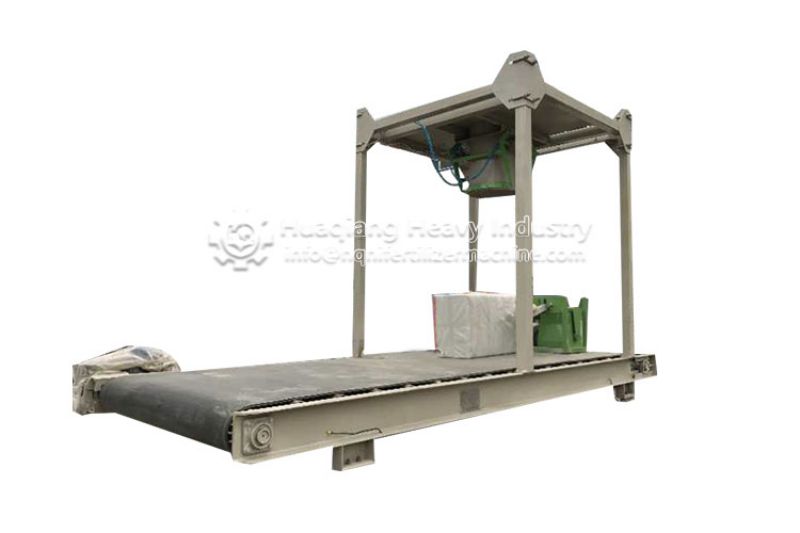
Automatic quantitative packaging for ton bags materials in flour, starch, feed, fertilizer, food, chemical industry, light industry, building materials and other industries. The main features of the organic fertilizer ton bag packaging machine: 1. Tailored and designed for the respective characteristics of the powder materials and the different requirements of the manufacturer. The equipment is advanced in technology, durable and has few wearing parts. 2, feeding, packaging stepless speed regulation, equipment performance is stable, packaging accuracy and speed. The ton bag packaging ma